
What's included
- Immediate phone assessment by a healthcare professional
- Priority home visit by a doctor
- Examination, diagnosis and treatment on the spot
- Private prescription if appropriate
- Hospital referral with a report if the case requires it
Urgent care at home
When something can't wait until tomorrow but isn't an emergency, a doctor comes to your home, with an average arrival time of 30–60 minutes depending on the area and demand.
We do not handle life-threatening emergencies. For chest pain, severe difficulty breathing, loss of consciousness, signs of a stroke or heavy bleeding, call 112.

What it involves
It is a health problem that comes on suddenly and needs prompt attention, but where there is no immediate danger to life. In these cases, being seen by a doctor at home saves you hours of waiting in an emergency department. If we detect signs of a serious condition during the call, we will tell you to call 112 straight away.
Have private health insurance? We work with insurers and intermediaries: ask during the call whether your policy covers the visit.
Step by step
No waiting rooms, no travelling: it all starts with a phone call.
Call us or fill in the form with your name, phone number and postcode. You can request it for yourself or for a family member.
A healthcare professional calls you, asks about the symptoms and confirms that a home visit is the right option. If it isn't, we will tell you.
The doctor comes as soon as possible, treats the condition at home and, if you need to go to hospital, refers you with a report.
Frequently asked questions
The average arrival time is 30–60 minutes. It depends on the area, the traffic and demand at the time; when we confirm the visit we give you an estimated arrival time.
Life-threatening emergencies: chest pain, severe difficulty breathing, loss of consciousness, signs of a stroke or heavy bleeding. In those cases you must call 112, who will send an ambulance with life support.
We are open every day, 7:00 am to midnight, public holidays included. We do not make visits outside these hours; if it is an emergency, call 112, and if it can wait, leave us your request and we will call you first thing.
Yes. After examining you, the doctor can prescribe treatment and issue a private prescription if appropriate.
Call us: we assess your case over the phone and, if appropriate, a doctor will set off for your home.
We do not handle life-threatening emergencies. For chest pain, severe difficulty breathing, loss of consciousness, signs of a stroke or heavy bleeding, call 112.
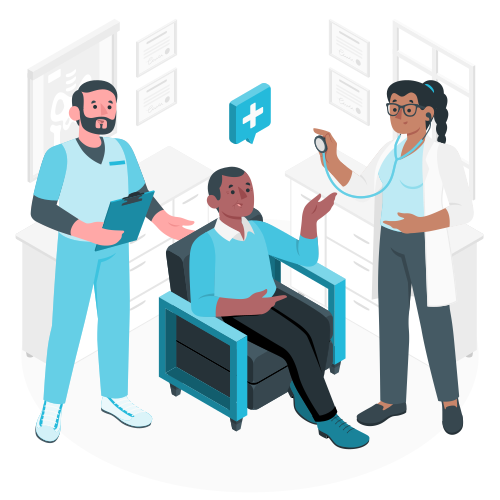
A doctor at home to assess symptoms, diagnose, prescribe treatment and follow up, without you having to travel.

Paediatric consultations at home for babies, children and teenagers: fever, infections, check-ups and questions about growth.
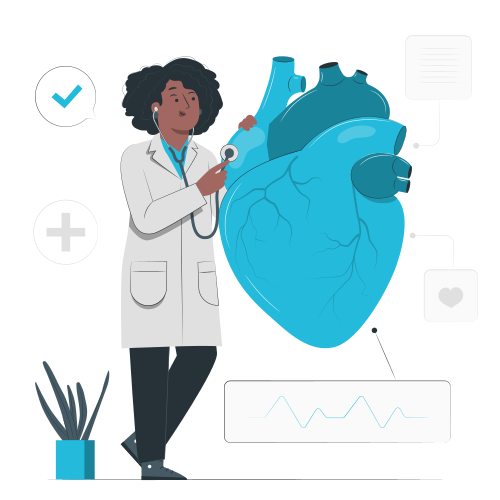
Blood pressure, heart rhythm and risk factor checks at home, with follow-up for patients with a history of heart problems.
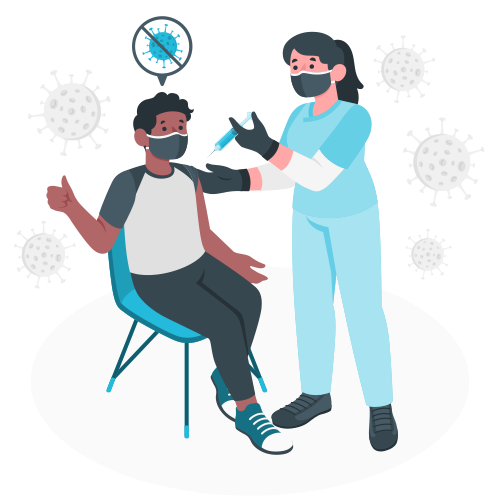
Wound care, injections, vital signs and blood glucose checks, removal of stitches and catheters: nursing care without leaving home.
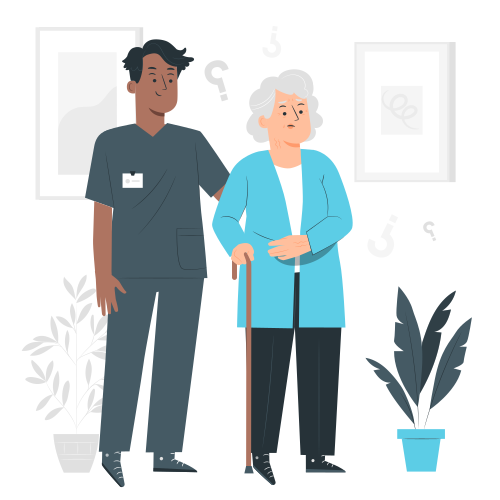
A comprehensive assessment of older people in their own home: chronic conditions, falls, medication and support for the family.